Tuscany Travel Planning - Done Right
Planning a trip to Tuscany takes more than choosing a few beautiful towns and boutique hotels.
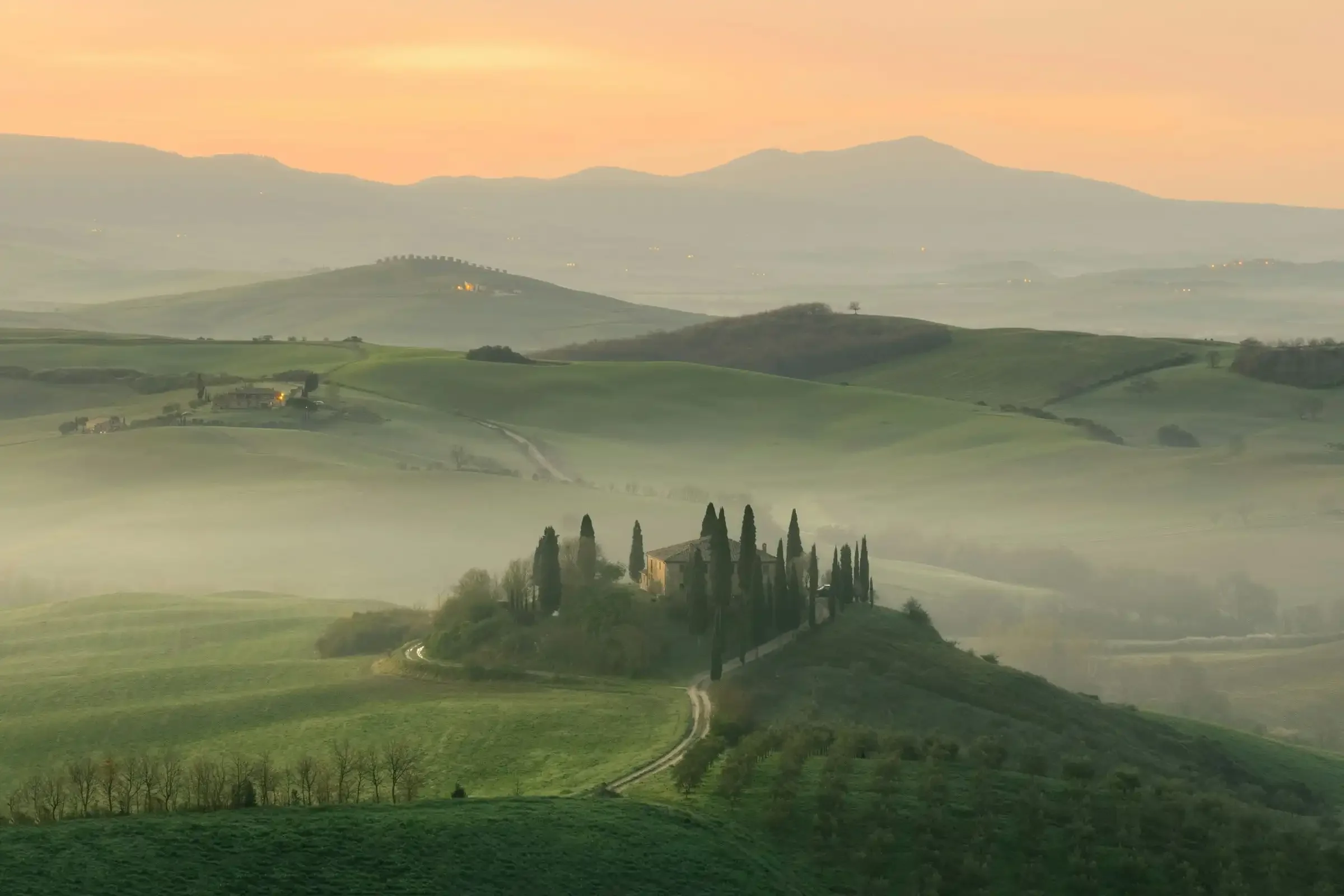
Tuscany isn’t a single destination — it’s Florence, Chianti, Val d’Orcia, and the countryside in between.
How you structure your time determines whether your trip feels seamless… or rushed.
If you want Tuscany planned the right way the first time—
Why Tuscany Requires Strategy
Many travelers try to “see Tuscany” by moving hotels every night or stacking long day trips from a single base.
That approach often leads to unnecessary transit time, restaurant stress, and missed moments.
Instead, I structure Tuscany around:
Logical routing between towns
Balanced days of exploration and pause
Seamless coordination between transfers, tours, and dining
The goal is not to check off towns.
It’s to experience Tuscany properly.
Tuscany isn’t about how much you see — it’s about how you structure it.
How I Typically Structure 7–10 Days in Tuscany
Every itinerary is customized, but a well-balanced framework often looks like:
Days 1–3: Florence
Arrival, historic center exploration, curated museum access, private walking guides, and refined dining reservations.
Days 4–7: Countryside Base (Chianti or Val d’Orcia)
Agriturismo or countryside estate stay with strategic day trips to Siena, Pienza, Montepulciano, or smaller hill towns — without daily hotel changes.
Optional additions:
Siena overnight for a different rhythm
Extension into Umbria
Private vineyard experiences
Culinary-focused stays
The structure matters more than the map.
Best Time to Visit Tuscany
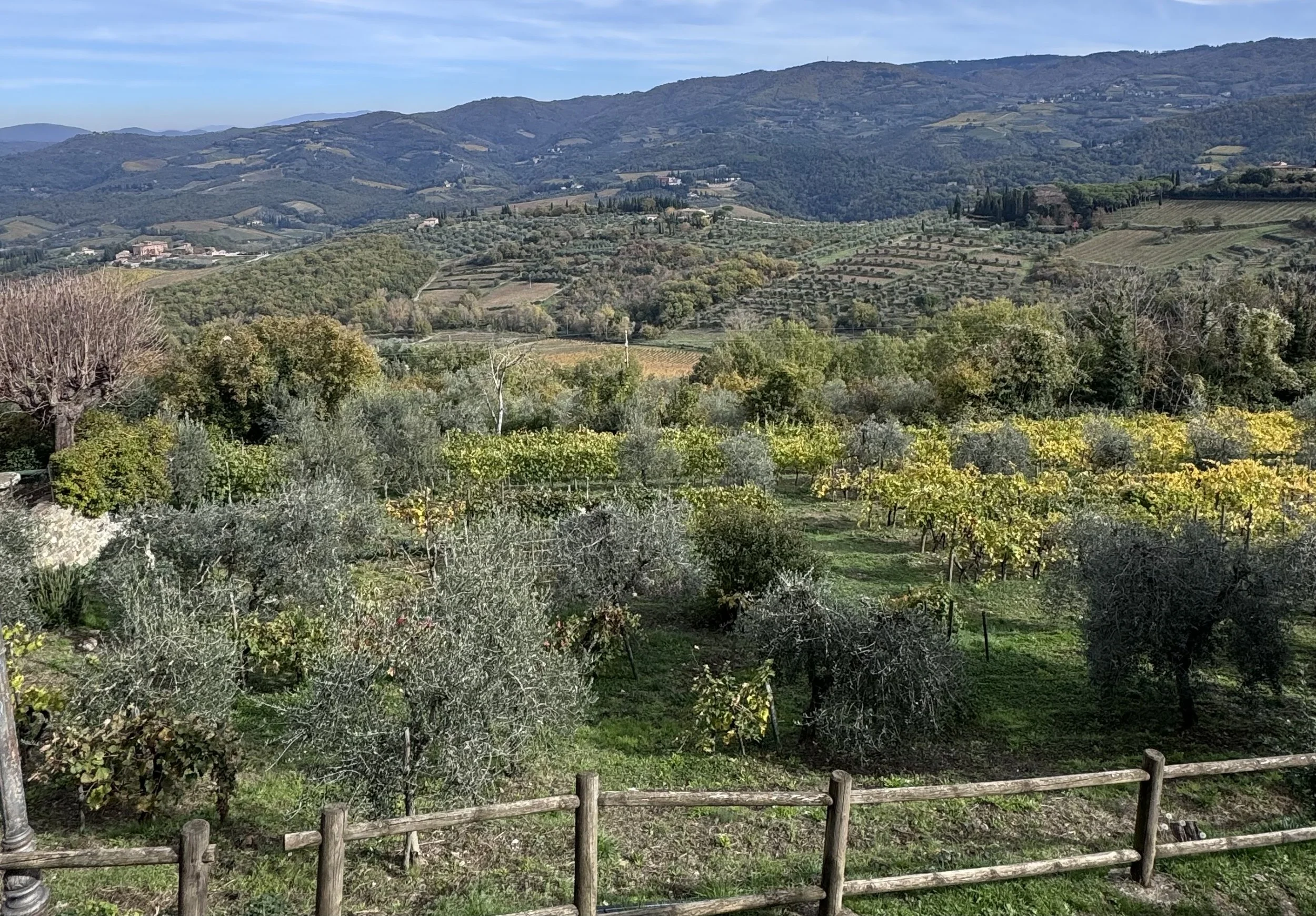
Tuscany is seasonal — and timing affects everything from vineyard access to restaurant reservations.
May–June: Ideal balance of weather and energy.
September–October: Harvest season, strong culinary atmosphere, excellent pacing.
July–August: Beautiful, but warmer and more crowded — requires more strategic structuring.
Choosing the right window can elevate the entire trip.
Planning Tuscany Should Feel Effortless
If you’re flying from the U.S. and want Tuscany designed properly — with intelligent pacing, curated stays, seamless coordination, and on-the-ground support — I work with a limited number of clients each season.
Each itinerary is personally structured from start to finish.
Never templated. Never delegated.
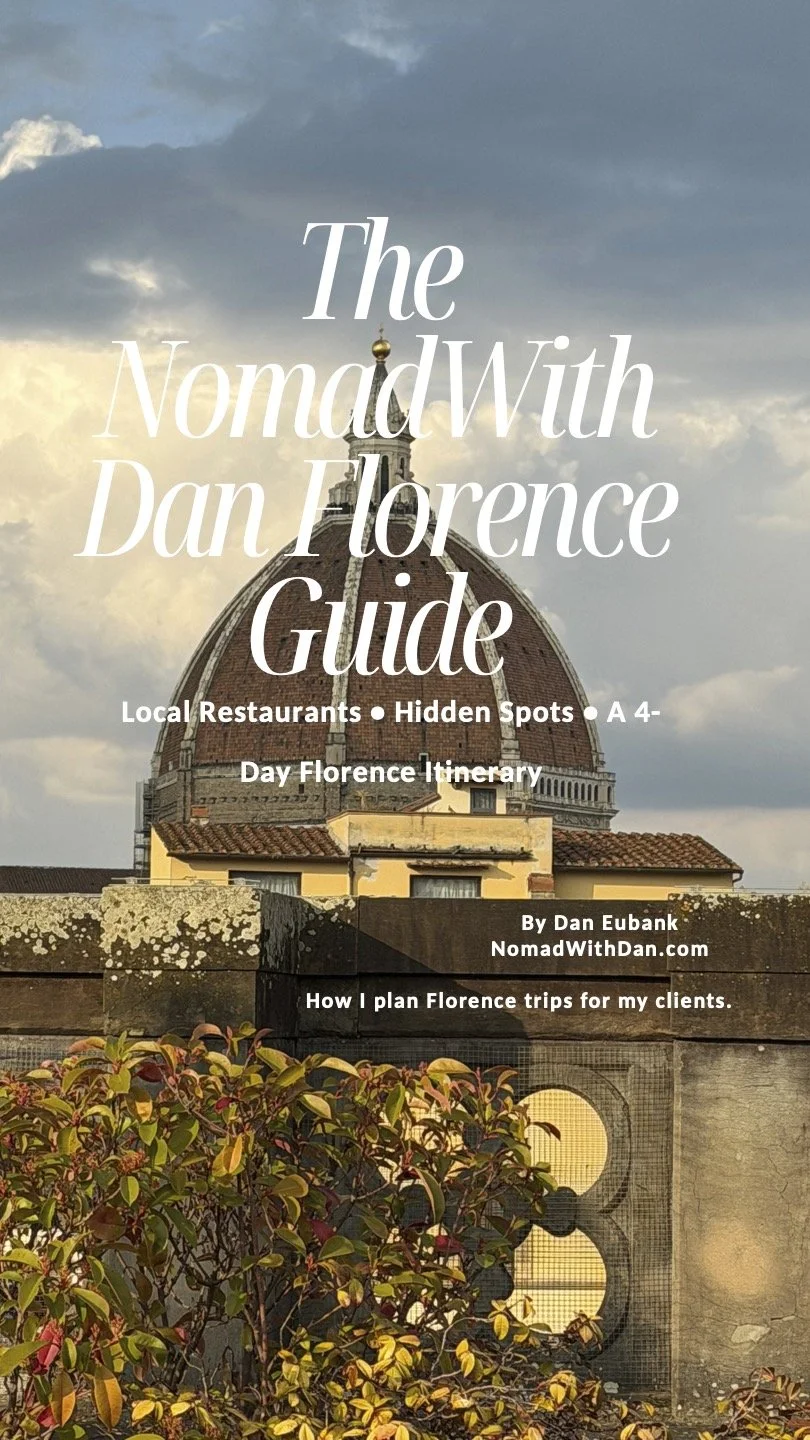
Florence Travel Guide for First-Time Visitors
Planning time in Florence during your Tuscany trip?
I created a detailed Florence guide based on my research trips and the way I plan client itineraries.
Inside the guide you’ll find:
• My favorite local trattorias
• Wine bars and aperitivo spots locals love
• Hidden Florence experiences
• A simple 4-day Florence itinerary
• Common mistakes first-time visitors make