Renting a Car in Italy
One of the questions I’m asked most often is, “Should I rent a car in Italy?” The answer depends entirely on your itinerary.
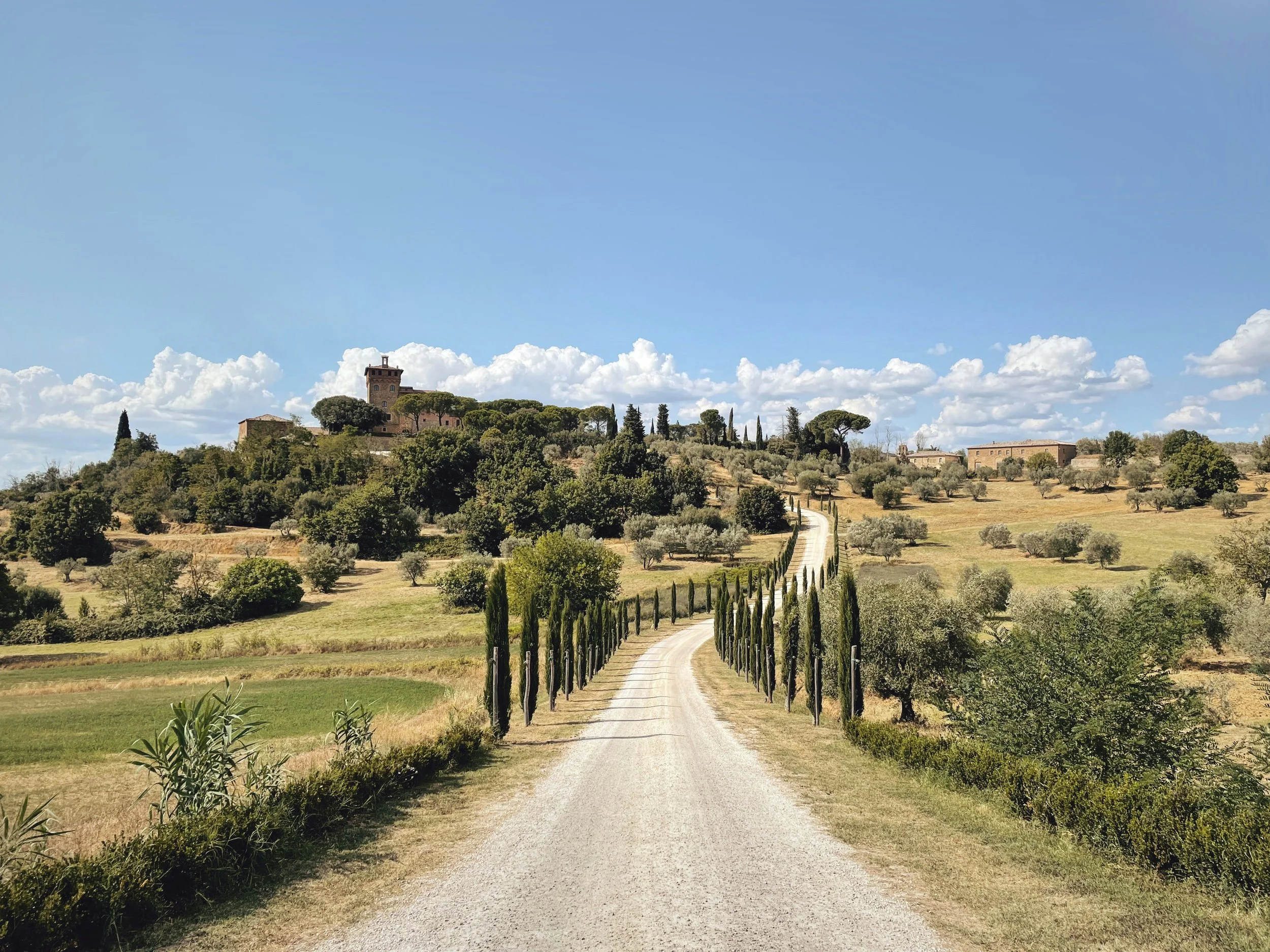
If you’re exploring Tuscany’s hill towns, the vineyards of Chianti, or the countryside of Umbria, a rental car offers the freedom to discover places trains simply can’t reach. But if your trip focuses on cities like Rome, Florence, Venice, or Bologna, you’ll usually have a more enjoyable—and less stressful—experience using Italy’s excellent rail network.
In my experience, the best Italy itineraries combine both: travel between major cities by train, then pick up a rental car when it truly adds value to your journey.
Dan’s Tip: I recommend spending a few days exploring Florence before picking up your rental car as you leave the city for Tuscany. You’ll avoid city traffic, expensive parking, and restricted driving zones while beginning your countryside adventure refreshed and ready to explore.
Planning to drive in Italy?
Whether you’re planning to drive through Tuscany’s rolling hills or simply wondering if a rental car is the right choice, this guide walks you through everything I recommend clients know before getting behind the wheel.
When you should (and shouldn’t) rent a car
International Driving Permits
Choosing the right vehicle
ZTL (Restricted Traffic Zone) rules
Toll roads and fuel stations
Parking tips
Travel insurance (and when rental coverage matters)
My favorite rental strategies for Tuscany and beyond
Before You Pick Up Your Rental Car
Renting a car in Italy is generally straightforward, but spending five extra minutes before you leave the rental lot can save you hundreds of euros—and a lot of unnecessary stress.
These are the same recommendations I give clients before they begin exploring Tuscany, Umbria, the Dolomites, Sicily, or anywhere else where a rental car enhances the experience.
Inspect Your Rental Car Carefully
Before driving away, take a few minutes to document the vehicle’s condition.
I recommend recording a short video while walking completely around the car, then taking close-up photos of any scratches, dents, or existing damage.
Don’t forget to photograph:
* All sides of the vehicle
* Wheels and bumpers
* Windshield
* Fuel gauge
* Odometer
If you notice damage that isn’t already listed on your rental agreement, ask the rental agent to document it before you leave.
Dan’s Tip: Never assume a small scratch “doesn’t matter.” It’s much easier to document existing damage before your trip than to dispute a damage claim weeks after you’ve returned home.
Don’t Forget Your International Driving Permit
Many travelers don’t realize that Italy requires most non-EU visitors to carry an International Driving Permit (IDP) along with their valid driver’s license.
An IDP isn’t a replacement for your license—it’s simply an official translation that should be carried whenever you’re driving in Italy.
Depending on the rental company, you may be asked to present it when picking up your vehicle, and Italian authorities may request it during a routine traffic stop.
Why it matters
Without an IDP, you could:
Be denied your rental car by some rental companies
Receive a fine if stopped by police
Create unnecessary complications if you’re involved in an accident
How to get one
For travelers from the United States, obtaining an IDP is quick and inexpensive through AAA.
You’ll typically need:
Your valid driver’s license
A passport-style photo
A completed application
The application fee
Most AAA offices can issue your permit while you wait, and it’s generally valid for one year.
Dan’s Tip: I recommend getting your IDP a few weeks before your trip. It only takes a few minutes, costs very little, and provides peace of mind before you ever arrive in Italy.
Driving in Italy
Driving through Italy can be one of the highlights of your trip, especially once you leave the larger cities behind.
Italian drivers tend to be confident and decisive. Traffic often moves quickly, particularly on highways and at roundabouts, but with a little preparation you’ll quickly settle into the rhythm.
Unlike in North America, many roads are narrower, villages are centuries old, and you’ll encounter traffic patterns that may feel unfamiliar at first. The good news is that once you understand a few key differences, driving in Italy becomes surprisingly enjoyable.
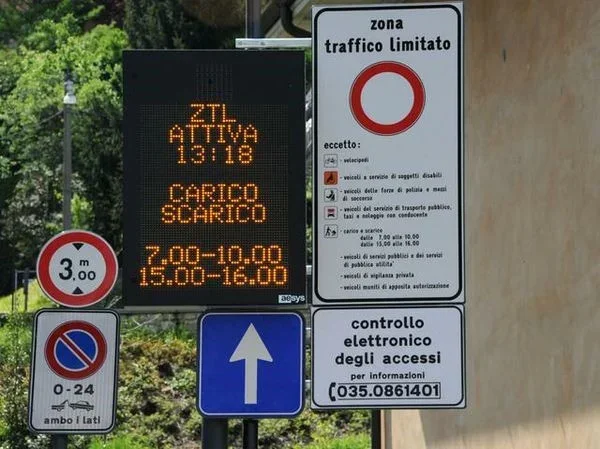
Watch for ZTL Zones
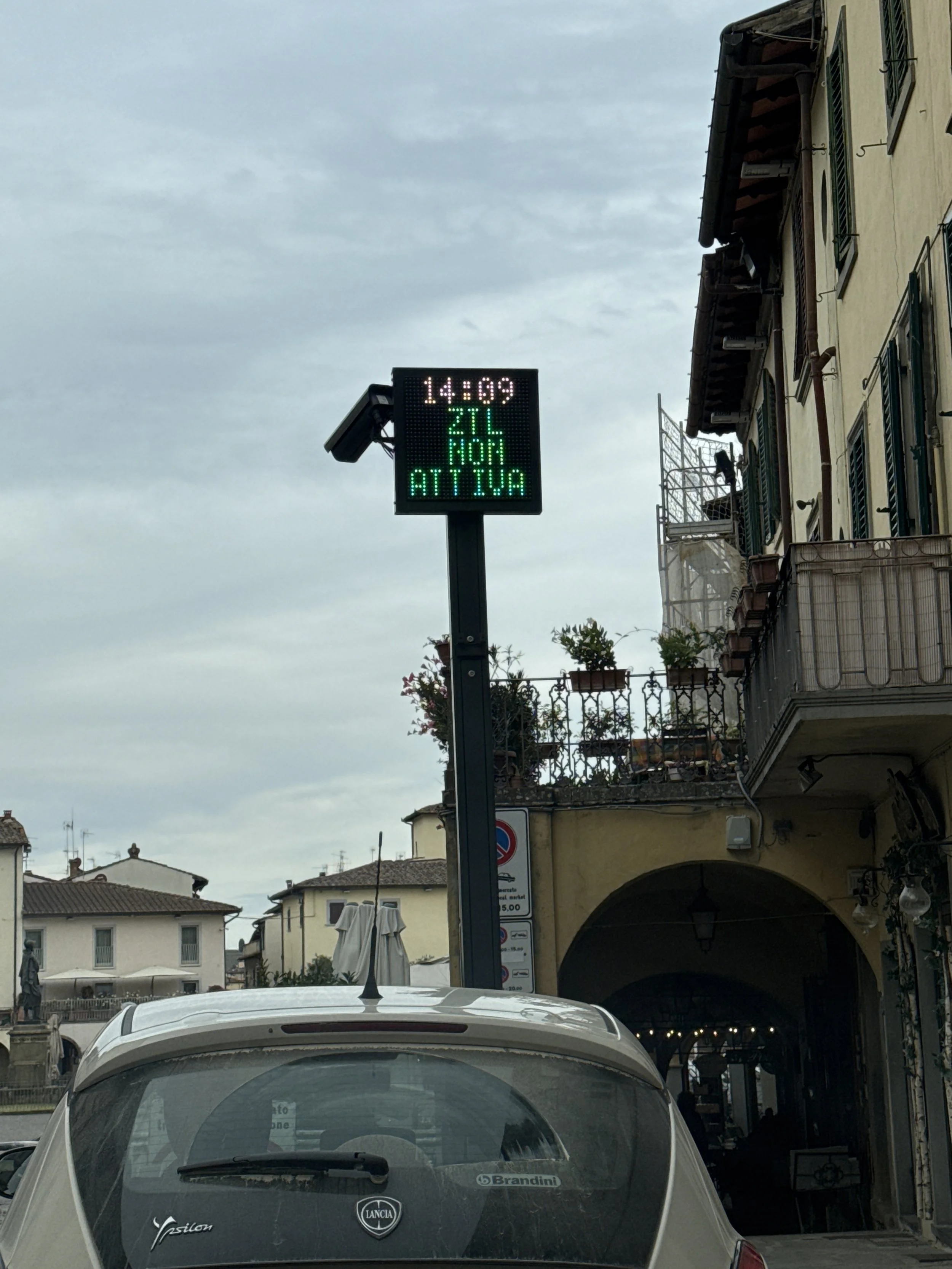
One of the most expensive mistakes visitors make is accidentally driving into a ZTL (Zona a Traffico Limitato)—a restricted traffic zone found in many historic city centers.
These areas are monitored by cameras, and entering without authorization can result in fines that often arrive weeks or even months after your trip.
If you’re staying at a hotel inside a ZTL, contact the hotel before you arrive. Many hotels can register your vehicle with the local authorities, allowing you to legally enter the restricted area during your stay.
Dan’s Tip: Don’t rely solely on your GPS. Navigation apps sometimes route drivers directly into restricted zones. Always check the electronic ZTL sign. If the light is green, carefully read the posted hours of operation. A zone that is open when you enter may become active while you’re parked, and you’ll still receive a fine when you drive back out.
Know the Speed Limits
Italy uses kilometers per hour (km/h) rather than miles per hour, so don’t be surprised when the numbers on the signs look much higher than you’re used to.
General speed limits include:
50 km/h – Cities and towns
90 km/h – Secondary roads
110 km/h – Divided highways
130 km/h – Autostrada (motorways)
Many major highways also use average-speed cameras (Tutor System) that calculate your speed over several miles—not just at a single camera location. Slowing down only when you see a camera won’t help if your average speed is still above the limit.
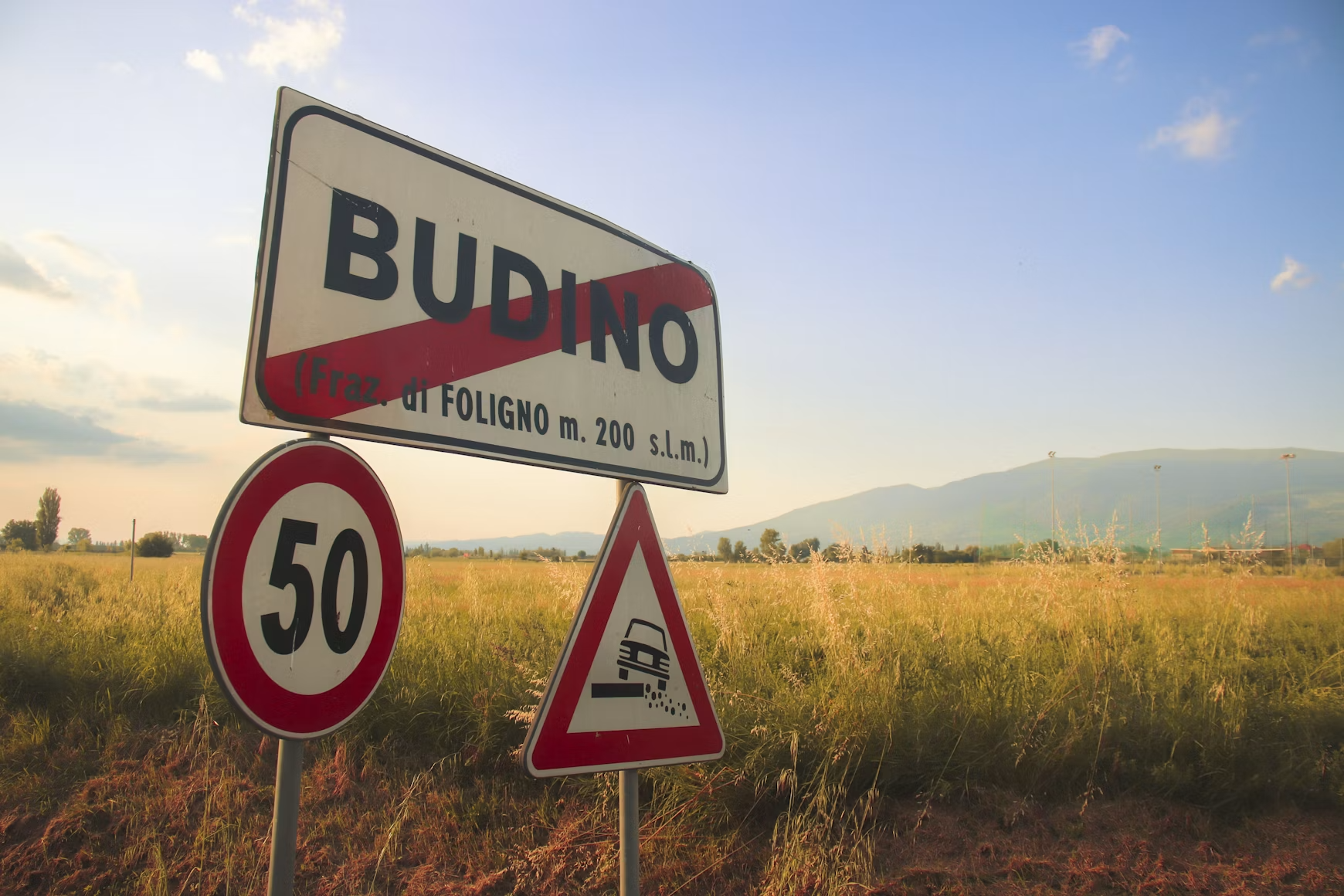
Dan’s Tip: That red diagonal slash through the town name doesn’t mean “No Entry.” It simply means you’re leaving the town or city limits. In many cases, it’s also your cue that the speed limit is about to change—so keep an eye out for the next posted limit.
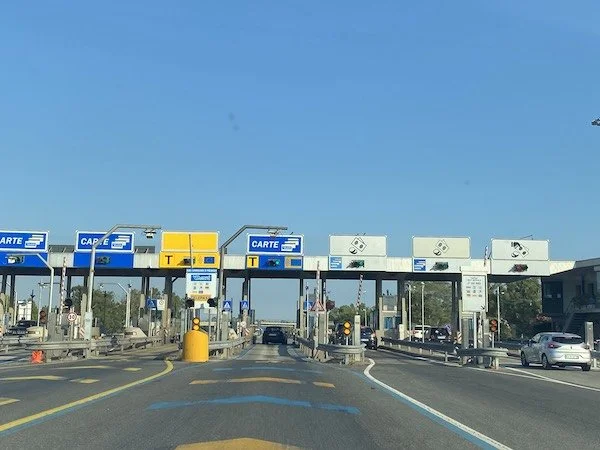
Using Italy’s Toll Roads
Most of Italy’s motorways (Autostrade) are toll roads. The system is straightforward once you’ve used it, but it can be confusing the first time you encounter a toll plaza.
When entering the motorway, you’ll take a ticket from the machine. Keep it somewhere handy—you’ll need it when you exit to pay your toll. Most exits accept credit cards, contactless payment, and cash.
One lane you’ll want to avoid is marked Telepass. This electronic toll system is designed for vehicles equipped with a Telepass transponder. Unless your rental car specifically includes one, don’t enter these lanes.
Dan’s Tip: I recommend using the lanes marked with the credit card symbol whenever possible. They’re quick, easy to use, and eliminate the need to carry exact cash. It may be tempting to follow the faster Telepass lane, but if your vehicle isn’t equipped for it, you could end up with additional fees from the rental company.
Parking in Italy
Street parking in Italy is identified by colored lines painted along the curb:
White – Usually free parking
Blue – Paid parking
Yellow – Reserved or restricted parking
Historic city centers often have very limited street parking, making parking garages the easiest and least stressful option.
Many parking payment machines accept credit cards or contactless payment, but it’s still a good idea to carry a few euro coins just in case.
Dan’s Tip: When visiting places like Siena, Montepulciano, Cortona, or San Gimignano, I almost always recommend parking once and exploring on foot. You’ll enjoy these historic towns far more without worrying about moving your car or finding another parking space.
Fueling Your Rental Car
One of the easiest—and most costly—mistakes travelers can make is putting the wrong fuel in their rental car.
Many rental cars in Italy have diesel engines, even compact vehicles that look identical to their gasoline counterparts. Before leaving the rental lot, take a moment to confirm which fuel your vehicle requires.
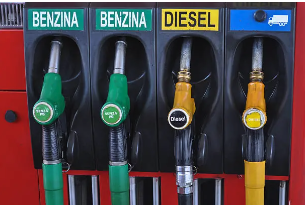
At Italian fuel stations you’ll typically see:
Benzina = Gasoline (Petrol)
Gasolio = Diesel
Using the wrong fuel can cause serious engine damage and may not be covered by your rental agreement or insurance.
Many stations are self-service, although some also have a full-service attendant during certain hours. Payment is usually by credit card, contactless payment, or cash.
Dan’s Tip: Before pulling away from the rental counter, I always take a quick photo of the fuel sticker inside the fuel door or note the fuel type on the rental paperwork. That way there’s never any doubt when it’s time to fill up—especially after a long day of sightseeing.
My Biggest Piece of Advice
A rental car isn’t just a way to get from one place to another—it’s your ticket to experiencing a side of Italy that many visitors never see.
Some of my favorite travel memories have come from turning off the main road to explore a quiet hill town, stopping at a family-run winery I hadn’t planned to visit, or pulling over simply because the view was too beautiful to pass by.
That’s the freedom a rental car gives you.
The key is knowing when to rent one. For many Italy itineraries, trains are still the best way to travel between major cities like Rome, Florence, Venice, and Bologna. Then, once you reach the countryside, a rental car opens the door to Tuscany’s vineyards, Umbria’s hill towns, the Dolomites, Puglia’s villages, and so many places that public transportation simply can’t reach.
With a little preparation—and by avoiding the common mistakes in this guide—you’ll be ready to enjoy one of the most rewarding ways to experience Italy. Drive with confidence, take the scenic route whenever you can, and don’t be afraid to discover what lies beyond the guidebooks.
Planning an Italy itinerary? If you’re unsure whether renting a car makes sense for your trip, I’d be happy to help you build an itinerary that balances Italy’s excellent train network with the freedom of driving where it matters most.
Safe travels, and enjoy the drive.
— Dan Eubank
Nomad With Dan