
Tuscany Travel Planning - Where to Stay, What to Experience and How to Do it Right
Tuscany is one of the most iconic regions in the world — but most trips miss what actually makes it special. How you plan it changes everything.
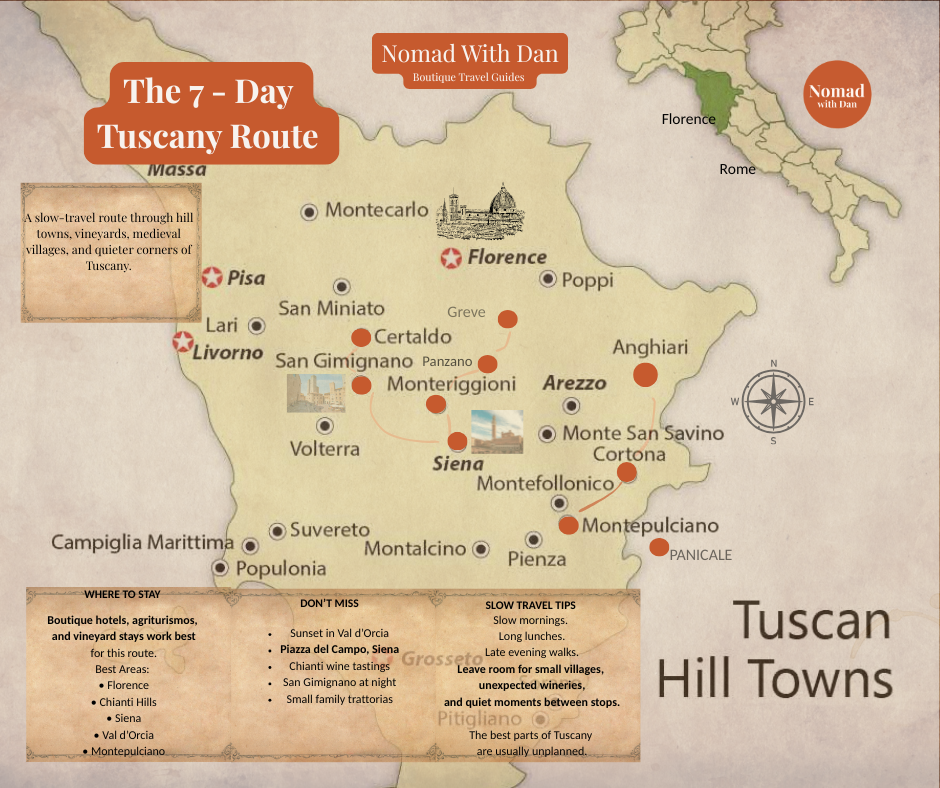
Where You Stay in Tuscany Matters More Than Anything
Tuscany isn’t a single destination — it’s a region made up of small towns, wine areas, and landscapes that all feel completely different.
Most travelers try to “see Tuscany” as a quick add-on from Florence.
That’s the mistake.
The real Tuscany experience comes from choosing the right base, slowing down, and letting the region unfold around you.
Chianti — The Perfect First Base
If it’s your first time in Tuscany, this is where I usually start.
Centrally located between Florence and Siena, Chianti gives you the classic vineyard views, easy access to nearby towns, and some of the best wine experiences in Italy.
It’s the balance of everything Tuscany does well.
Val d’Orcia — Postcard Tuscany
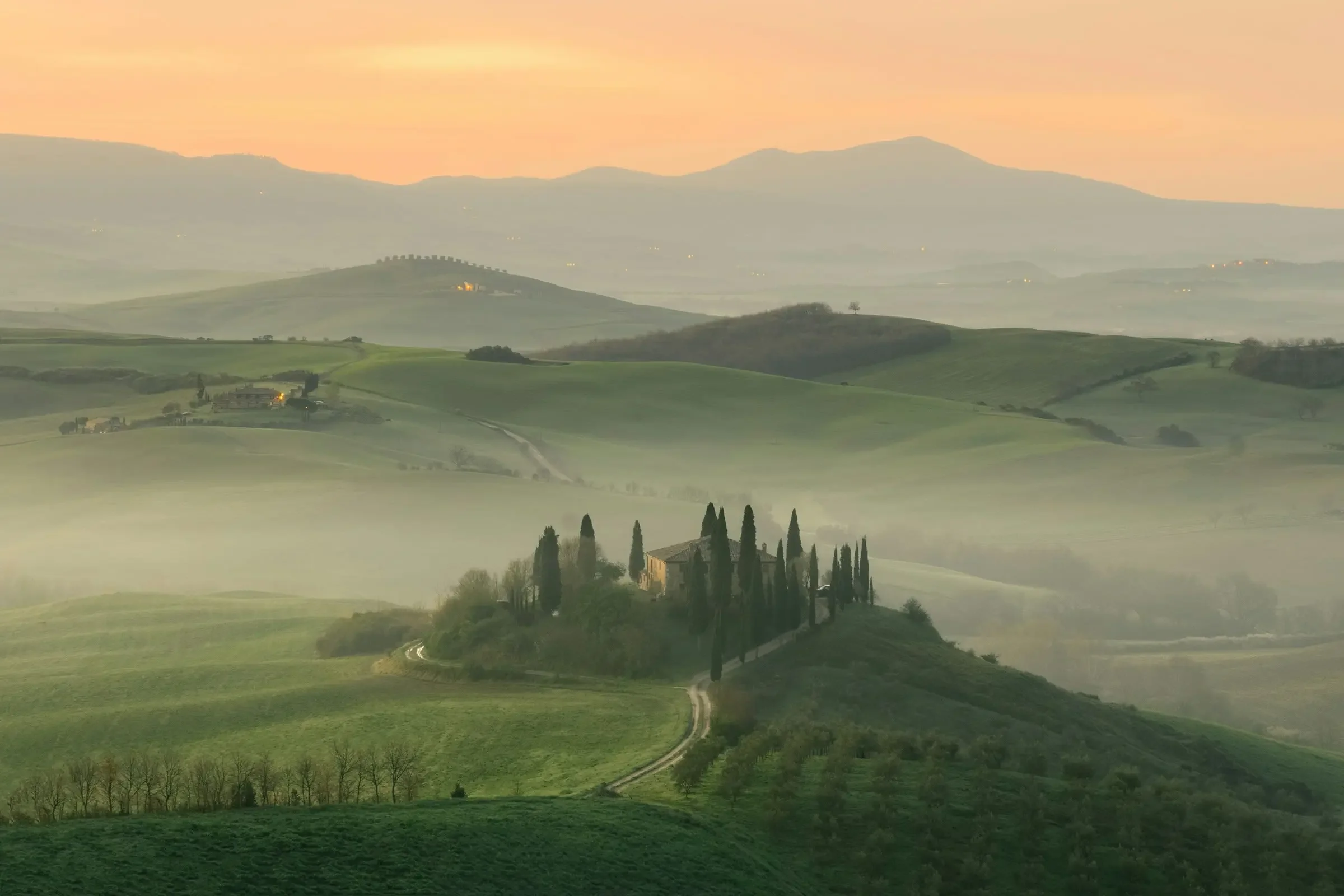
This is the Tuscany you’ve seen in photos.
Rolling hills, cypress-lined roads, and wide open landscapes — it’s quieter, more remote, and incredibly beautiful.
Perfect if you want to slow down, stay somewhere special, and just take it all in.
Montepulciano & Southern Tuscany — Wine + Charm
This area blends great wine, historic towns, and a more relaxed pace.
Montepulciano and Pienza are perfect for wandering, long meals, and evenings that don’t feel rushed.
It’s a great option if you want something a little less central, but still full of character.
Where you stay matters more than you think. → See my recommended hotels
What Tuscany Actually Feels Like
Tuscany isn’t about checking off towns or rushing from one stop to the next.
It’s about slowing down.
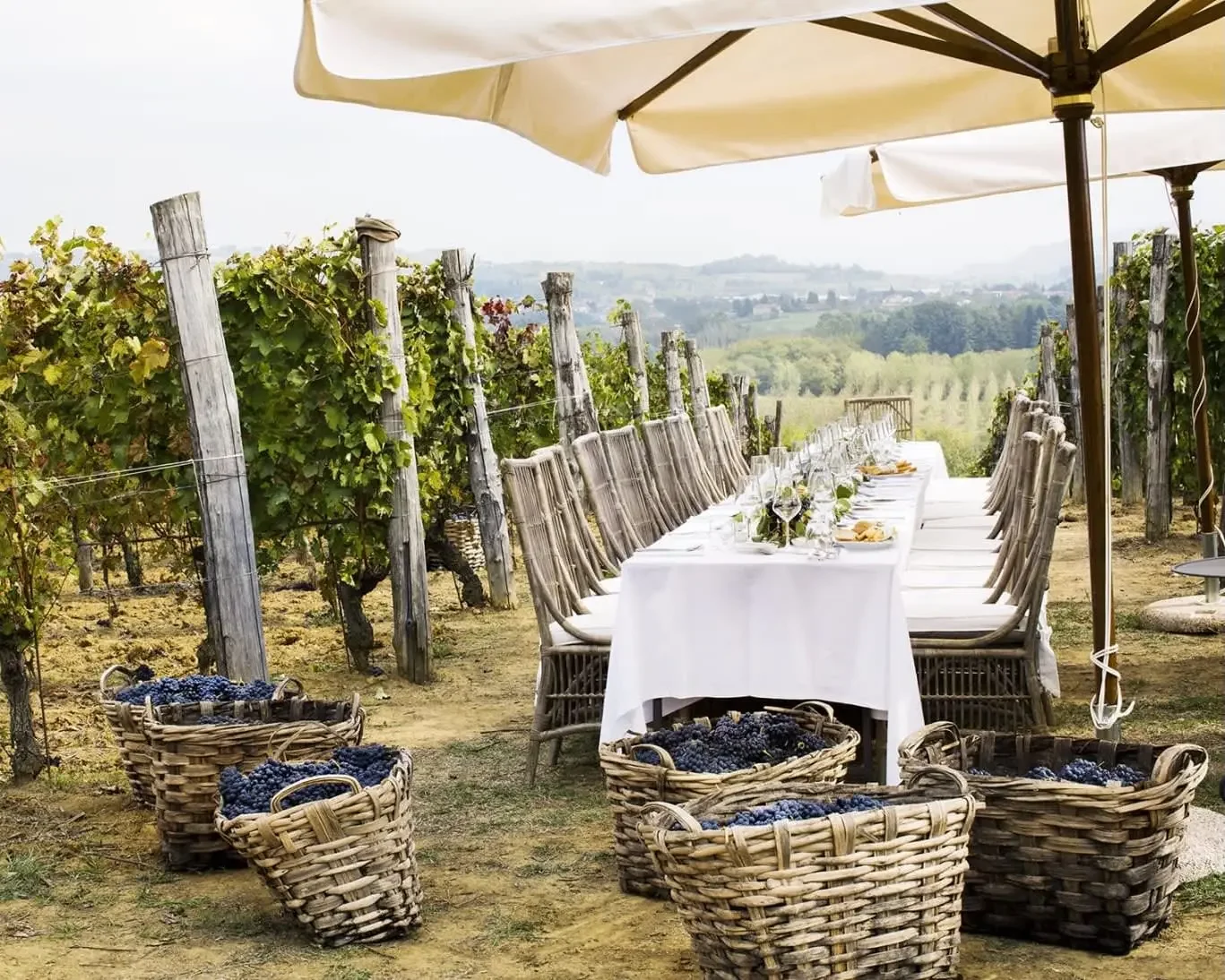
It’s long lunches that turn into the afternoon.
It’s driving through the countryside with no real destination.
It’s wandering into a small village and staying longer than you planned.
It’s a glass of wine as the sun sets over the hills — and realizing there’s nowhere else you need to be.
This is what most trips miss.
And when it’s done right, it’s what makes Tuscany unforgettable.
If you want to experience Tuscany this way, I can help you plan it right.
How a Tuscany Trip Actually Flows
Tuscany isn’t a place you rush through — and the best trips aren’t overplanned.
Day 1 — Arrive in Florence → Drive to the countryside
Pick up your car and head into Tuscany. Settle into your hotel, have a relaxed dinner, and ease into the slower pace.
Day 2 — Chianti Wine & Countryside
Explore small towns, visit a winery, and take your time. This is where Tuscany starts to feel real.
Day 3 — Siena & Hidden Villages
Spend time in Siena, then wander into smaller towns nearby. No rushing — just exploring.
Day 4 — Val d’Orcia Drive
One of the most beautiful days of the trip — rolling hills, cypress roads, and stops in places like Pienza or Montepulciano.
Day 5 — Slow Morning & Departure
Enjoy one last morning in the countryside before heading back to Florence or continuing your trip.
Every Tuscany trip is a little different — where you stay, how long you go, and what you prioritize completely shapes the experience.
That’s where I help clients get it right.
Common Tuscany Planning Mistakes
Most Tuscany trips don’t fall apart — they just miss what actually makes the region special.
Trying to see Tuscany as a day trip from Florence
You’ll spend more time moving than actually experiencing it.
Staying in the wrong location
Where you base yourself completely shapes your trip.
Overpacking the itinerary
Tuscany isn’t meant to be rushed — less is usually more.
Skipping a car (or not planning transportation properly)
Some of the best places are the hardest to reach without one.
Booking generic tours instead of curated experiences
The difference between a good trip and a great one is in the details.
A well-planned Tuscany trip feels effortless — but getting it right takes experience.